


Blasthole drilling places extreme stress on all drill string components, but your DTH hammer is arguably the most important – and needs to last the longest. High impact loads, abrasive ground conditions, dust contamination, poor lubrication, and incorrect drilling parameters can all significantly shorten hammer service life. While all Mincon hammers are designed to deliver reliability and durability, achieving the best service life requires paying close attention to using the right equipment, your on-site operating procedures, maintenance routines, and drilling discipline.
Mincon’s drill masters work closely with customers at mines around the world to help improve productivity, reduce unnecessary wear, and lower total drilling costs. They have helped debunk the myth that extending hammer life reduces performance – in fact, a well-maintained hammer will perform better for longer, and deliver ongoing savings that help reduce total drilling costs.
Improve DTH Hammer Life with Mincon Support
From hammer-to-bit matching and lubrication guidance to global driller training and on-site support, Mincon helps operations reduce wear, prevent failures, and lower total drilling cost.
1. Correct Hammer-to-Bit Matching Matters
One of the most overlooked causes of premature hammer wear is incorrect hammer-to-bit matching.
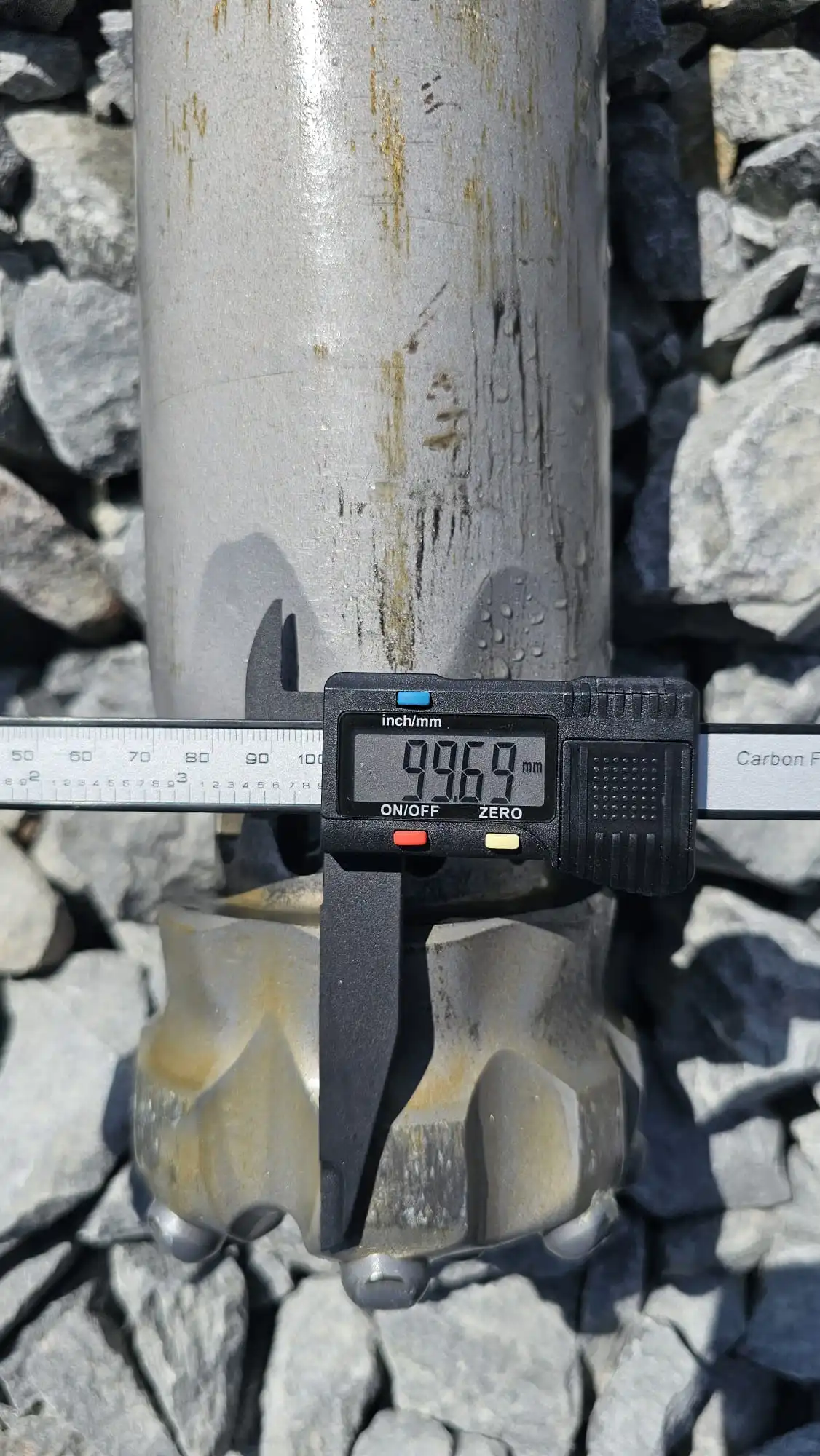
A hammer and bit are designed to operate as a balanced system. Using an oversized bit on a smaller hammer places excessive strain on internal components and reduces drilling efficiency. This increases operating temperatures, impacts flushing performance, and accelerates wear throughout the hammer.
Matching the hammer correctly to the bit allows the hammer to transfer energy efficiently into the rock while maintaining proper airflow and piston movement.
Bit condition is the other half of this balanced system. For carbide wear, sharpening intervals, and rotation guidance, see our companion guide on extending drill bit life in blast-hole drilling.
2. Use the Correct Type and Amount of Lubricant
Lubrication is essential to hammer performance and longevity. High-quality rock drill oil protects internal moving components from excessive friction, heat, and wear.
Operators should always use the recommended rock drill oil (RDO) in the correct quantities. Substituting with other oil types may reduce lubrication effectiveness and can result in premature internal wear, poor hammer performance, and component failure. Mincon’s Envirosafe RDO is approved for use in all our hammers and is also biodegradable.
If your drill site uses water injection systems, close attention should be paid to the point where water is introduced into the air stream. Oil volumes should be increased accordingly to maintain adequate protection inside the hammer.
3. Manage Water Quality Carefully
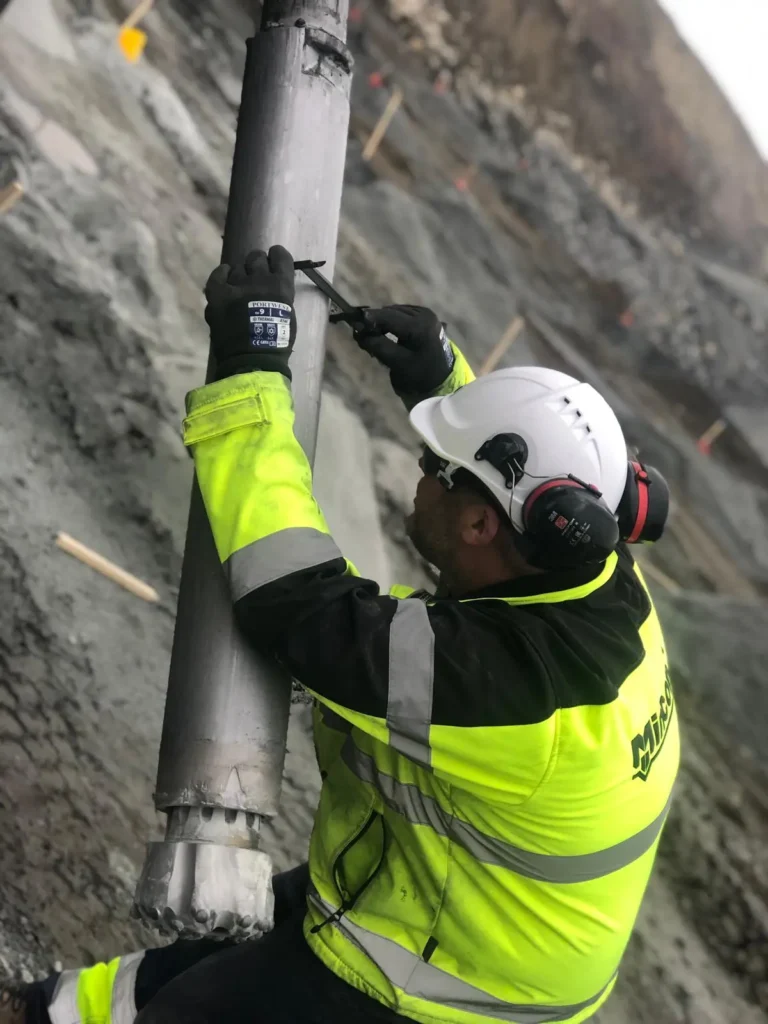
Water injection can improve dust suppression and flushing performance, but poor-quality water can create serious problems inside the hammer.
If water is sourced from quarry or mine pumps, operators should periodically check acidity and monitor for contaminants – these can increase corrosion, accelerate wear, and reduce internal component life.
Clean water is essential for maintaining long-term hammer reliability.
4. Pay Attention to Chuck Management
The hammer chuck absorbs significant wear during operation. Ignoring chuck condition can shorten overall hammer sleeve life and increase operating costs.
Regular monitoring of the chuck can improve overall hammer longevity. In many cases, changing the chuck as needed will avoid excessive wear on the hammer wear sleeve and maintain drilling efficiency.
5. Cleanliness Is Critical
Drilling can be a dirty business, and contamination is one of the biggest enemies of a DTH hammer.
Dust, drill cuttings, and debris entering the drill string can cause excessive wear to hammer internals. Care should be taken when adding or removing components in the drill string, as this is an opportunity for contamination to enter the system.
Protective caps should be used on all exposed tool joints when in storage or transit, to prevent contamination entering the pipe. When servicing tool joints, grease should be applied only to the pin thread, not the box thread.
6. Follow Correct Start-Up Procedures
The first setup and commissioning procedure for a new hammer plays a major role in long-term reliability.
Before drilling begins, operators should ensure the backhead is torqued correctly while the hammer is stationary, not while drilling. Proper lubrication should also be introduced before operation begins.
Mincon drill masters recommend pouring RDO into the top of the hammer and flushing the system for several minutes before putting the hammer under load. This allows lubrication to circulate properly through internal components before impact forces begin. When hammers are stored, introduce a small amount of RDO into the hammer and rotate it to coat the wear surfaces.
Skipping these procedures can reduce hammer life before the first hole is even completed.
7. Adjust Drilling Parameters to Suit the Ground
No two rock formations are identical. Drilling parameters should be adjusted to suit changing ground conditions.
Excessive feed force, incorrect rotation speed, or poor airflow balance can place unnecessary stress on the hammer and increase wear rates dramatically. Operators should monitor drilling performance continuously and adjust parameters according to rock hardness, fragmentation, and flushing conditions.
A balanced drilling setup improves penetration efficiency while reducing unnecessary stress on the hammer.
Mincon Innovation and On-Site Expertise
Extending hammer life in blasthole drilling is about more than maintenance alone. It requires correct tool selection, disciplined operating procedures, proper lubrication, contamination control, and continuous optimization of drilling parameters.
Every Mincon DTH hammer is packed with innovation – from cutting-edge component design to state-of-the-art manufacturing processes that deliver high-performance rock-drilling tools that are designed to deliver efficiency, performance, and longevity.
Our teams not only help you design a drill string for your requirements, they work with you to ensure that you achieve a lower total drilling cost without affecting productivity. Contact your nearest Mincon office today to get expert advice and learn why we are The Driller’s Choice.
Want to Get More Life From Your DTH Hammers?
Mincon’s drill masters help mining and quarry teams match the right tools, refine on-site procedures, and lower total drilling cost without sacrificing productivity. Contact your nearest Mincon office for expert advice and learn why we are The Driller’s Choice.
