Blast-hole drilling is a high-volume, high-impact operation that will take its toll on your DTH drill bits, but usage and maintenance can be adjusted to maintain performance for longer, extend service life, and lower total drilling costs.
With nearly 50 years of drilling expertise, Mincon works closely with mines and drillers around the world to aid them in reducing wear, preventing catastrophic damage, and improving cost per metre. Extending bit life means achieving the correct balance of setup, monitoring, and equipment care.
Improve DTH Drill Bit Life with Mincon Support
From drill-bit monitoring and sharpening guidance to global driller training and on-site support, Mincon helps operations reduce wear, prevent failures, and improve cost per metre.
At a glance:
- Regular carbide inspections help reduce the risk of cracking, breakage, and catastrophic bit failure.
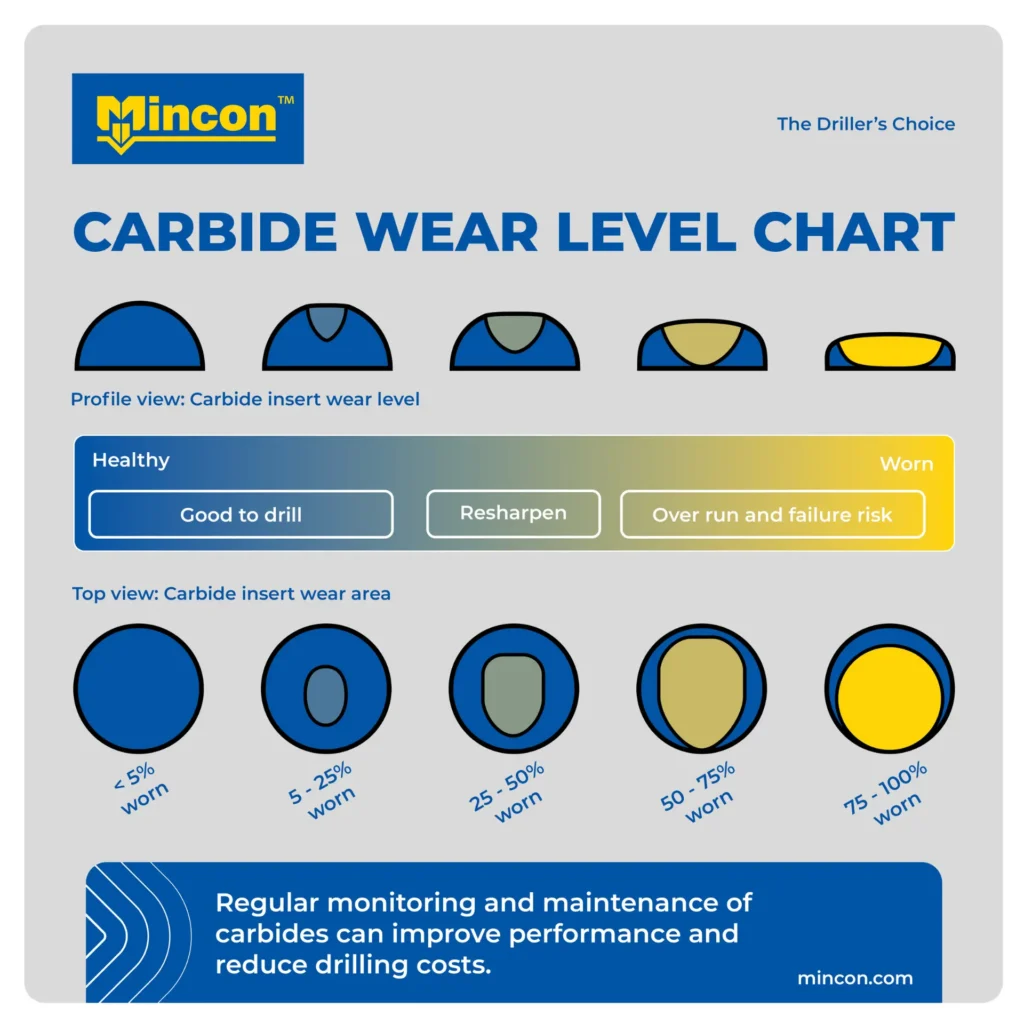
- Sharpening should take place when approximately one-third of the carbide face becomes flat.
- Matching rotation speed to penetration rate can significantly reduce premature wear.
- Hammer condition, lubrication, and drive component maintenance all influence bit life.
- Recording wear patterns and drilling data supports a more predictive maintenance culture.
Monitor Carbide Wear Before It Becomes Failure
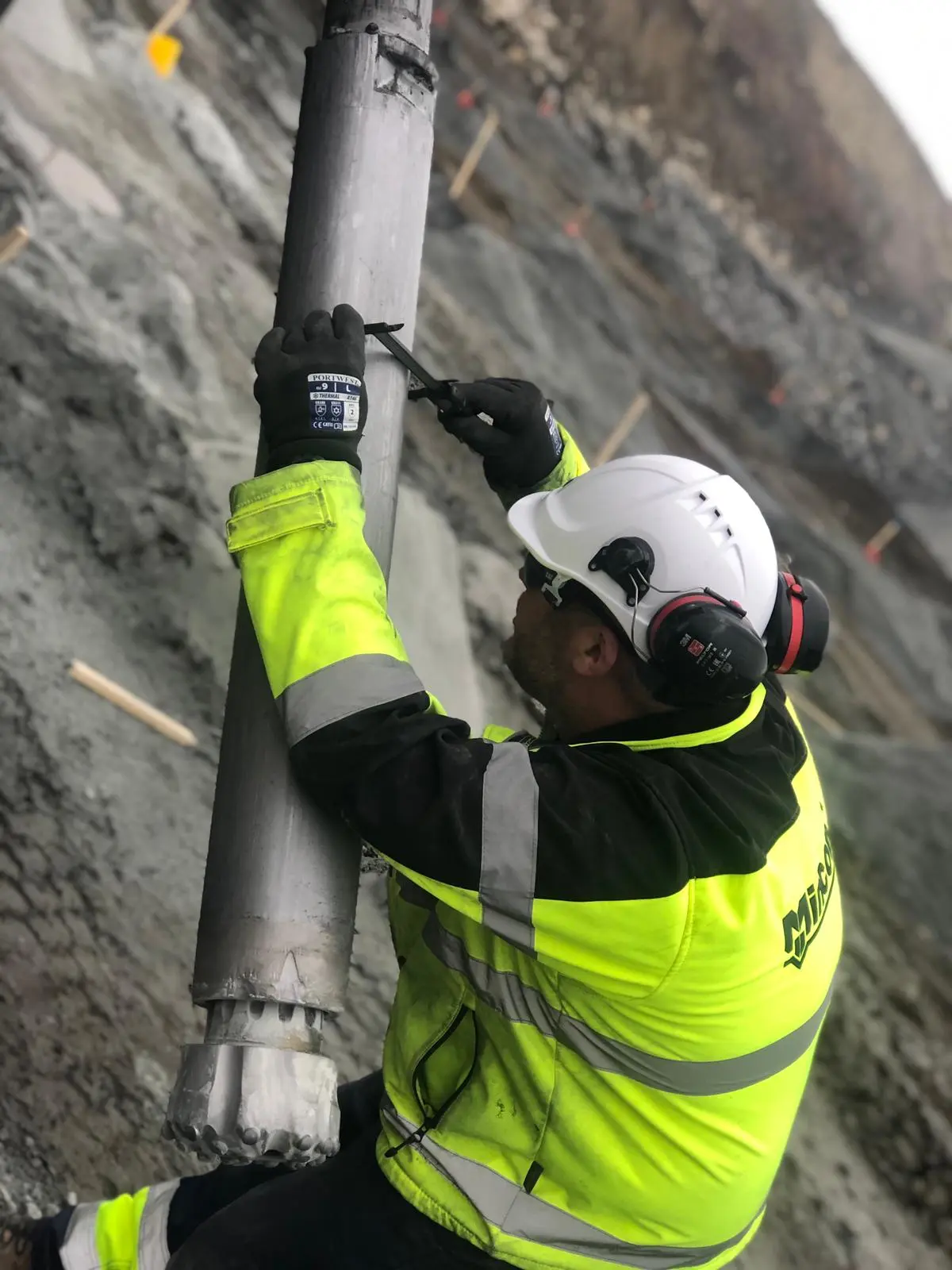
Carbide inserts do the cutting. When they wear excessively, the risk of insert cracking, breakage, and catastrophic bit damage increases significantly.
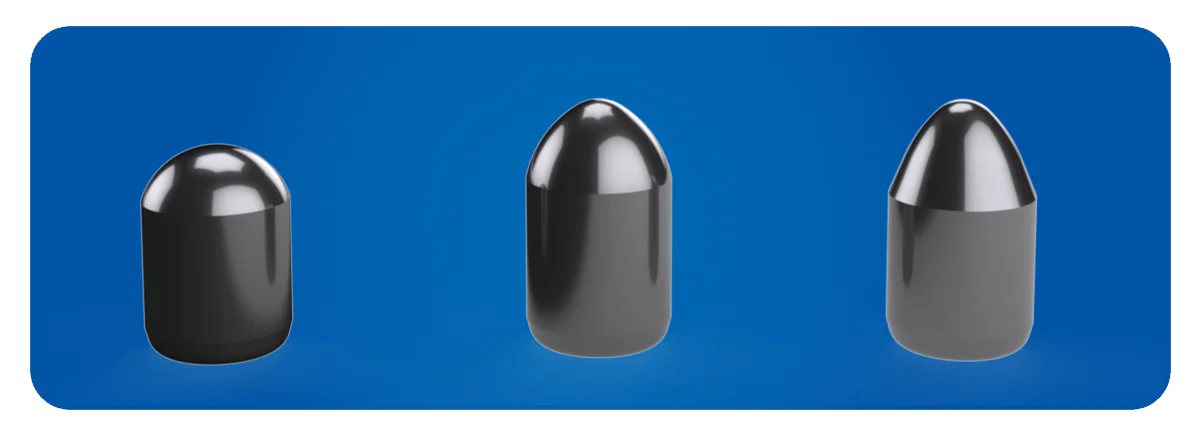
A disciplined inspection routine is essential. The bit face and carbides should be checked between holes, especially in abrasive ground conditions. As a practical rule, sharpening should take place when approximately one-third of the carbide face becomes flat. Beyond that point, stress concentrations increase and failure risk rises.
Drill bit maintenance should also address other areas of face wear where required. Keeping records fo wear patterns in known ground formations allows drilling teams to establish predictable sharpening intervals. Over time, this data will help you develop a proactive maintenance schedule, rather than a reactive replacement cycle.
Match Rotation Speed to Penetration Rate
One of the most common causes of premature wear is excessive rotation speed relative to penetration rate.
Effective cutting requires balance. A widely accepted benchmark is to target approximately 15 to 20mm of penetration per rotation. At a penetration rate of 1 metre per minute, this equates to between 50 and 65 RPM.
Over the course of drilling a 10-metre hole this can have a significant impact, with fewer rotations meaning lower wear. If rotation speed is too high, it can accelerate wear of the carbide and bit face.
Optimising rotation ensures energy is transferred efficiently into the rock rather than dissipated through unnecessary friction. The result is improved penetration efficiency and longer bit life.
Maintain the Hammer and Drive Components
Bit performance cannot be separated from overall drill string condition. Wear in drive components often manifests first in consumables.
Hammer chucks should be inspected regularly to ensure splines are not exposed to excessive play or distortion. Poor engagement increases stress on the bit and accelerates wear.
The correct hammer oil type and consistent lubrication are equally critical. Proper lubrication across drill bit splines reduces friction and prevents unnecessary mechanical stress.
Balance across air supply, feed pressure, and rotation is also essential. Excess vibration indicates imbalance. Smooth operation is not simply preferable – it directly correlates with drill-bit longevity.
As Mincon’s experienced drill masters say: a smooth drill is a productive drill.
Build a Predictable Maintenance Culture
Where ground conditions remain consistent, data becomes a powerful tool. Logging penetration rates, rotation speeds, sharpening intervals, and wear characteristics allows operations to move from reactive maintenance to predictive control.
This improves cost forecasting, reduces unexpected failures, and supports more consistent production performance.
Small adjustments in setup and inspection routines can deliver measurable gains across an entire drilling programme.
Turning Knowledge into Performance
Extending drill bit life in blast-hole drilling is not about stretching consumables beyond their limits. It is about disciplined inspection, balanced operating parameters, and well-maintained equipment.
Mincon delivers driller training globally, equipping drilling teams of all experience levels with the knowledge to optimise performance, reduce wear, and improve total drilling efficiency.
For operations seeking to lower cost per metre, while maintaining production targets, contact Mincon for tailored drilling packages, expertise, and on-site support.