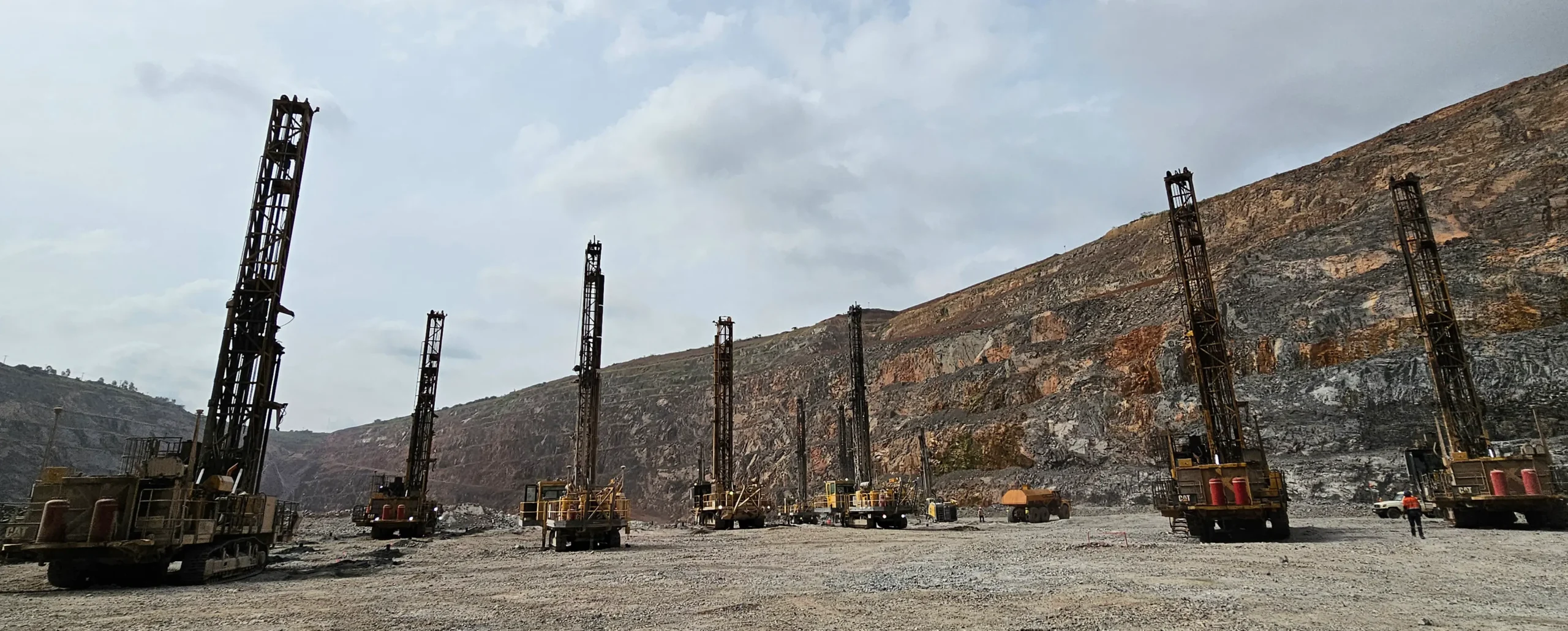
Efficient blast-hole drilling is not achieved by simply applying maximum air pressure, feed force, and rotation. High productivity comes from carefully balancing airflow, rotation speed, feed force, and flushing performance, and matching these parameters to changing ground conditions.
When these elements work together correctly, drilling operations achieve higher penetration rates, reduced wear on consumables, more consistent productivity, and lower total drilling costs.
With nearly 50 years of rock-drilling expertise, Mincon supports mining operations worldwide with a comprehensive range of drill tooling, technical knowledge, and on-site support that helps optimise performance in the most demanding conditions.
Get More From Every Metre Drilled
From DTH hammers and drill bits to tailored drilling packages and on-site technical support, Mincon helps mining and quarrying operations improve penetration rates, extend consumable life, and reduce total drilling costs.
Drilling Optimisation Is About Balance
A DTH drill string and drill rig should be treated like an ecosystem. Every component affects the others.
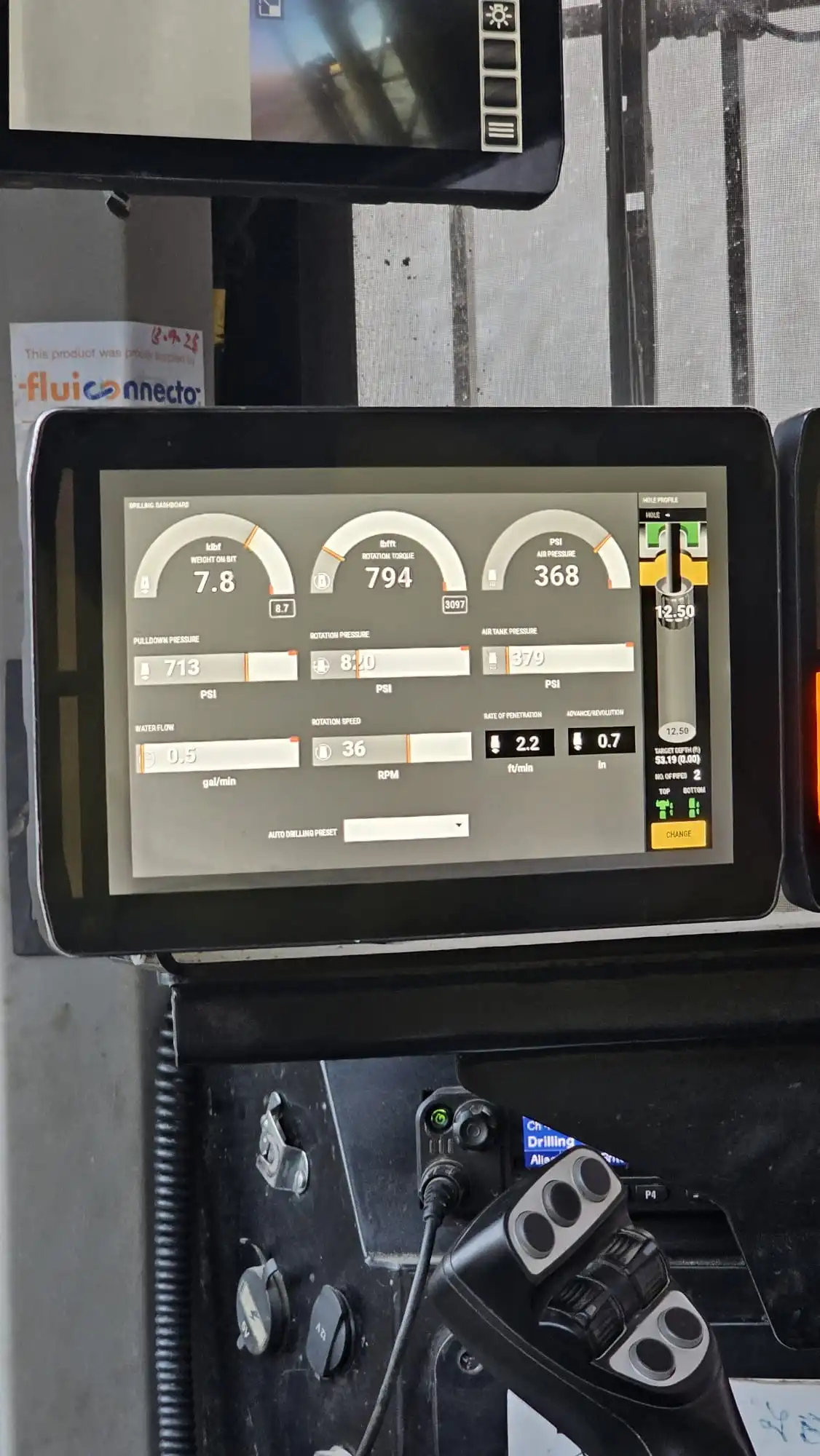
Air supply, feed force, and rotation speed must work together in balance. Excessive feed pressure can overload the hammer. Too much rotation can increase carbide wear and reduce penetration efficiency. Poor airflow impacts flushing performance and can cause recutting of drill cuttings.
The most efficient drilling operations constantly monitor and adjust these variables rather than relying on fixed settings. Optimisation is not about maximum force. It is about achieving the correct balance for the specific ground conditions in front of you.
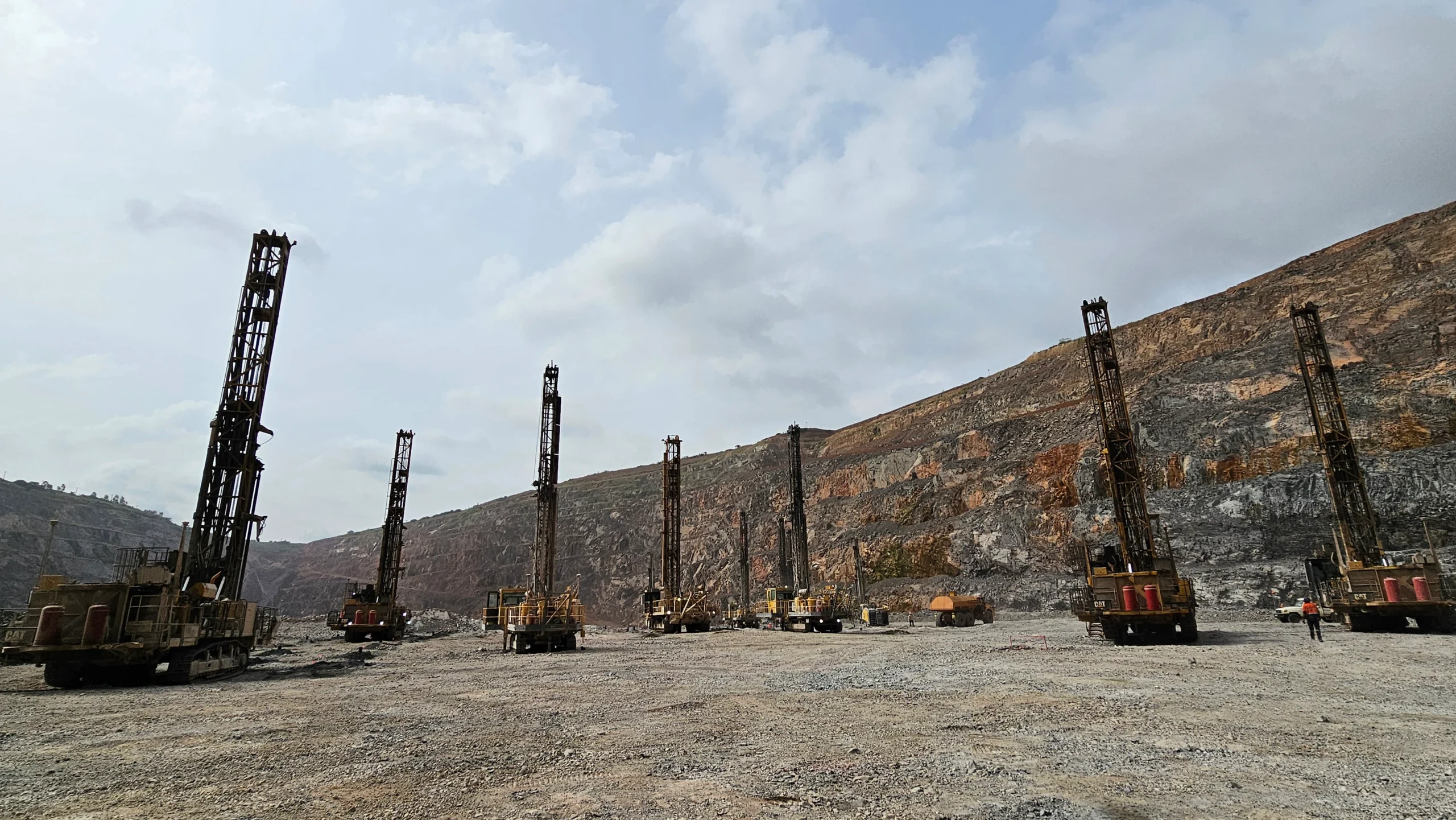
Match Bit Design to the Rock Type
Bit selection plays a major role in drilling efficiency. Different rock formations require different button configurations or face designs. A bit built for hard, abrasive formations may not perform efficiently in fractured or softer ground, and the reverse is also true.
Using the correct DTH drill bit design improves penetration rates, reduces vibration, enhances flushing performance, and extends both bit and hammer life. The same principle applies to rotary drill bits used in production blast-hole drilling, where matching the bit to the rock is critical to controlling wear rates.
Matching tooling correctly to the application is one of the simplest ways to improve drilling productivity. Experienced drill masters will work with engineers and geologists to establish the correct bit for the ground conditions.
Let the Hammer Do the Work
One of the most common misconceptions in blast-hole drilling is that increasing feed force or rotation speed automatically increases penetration rate.
In reality, overfeeding or overrotating often reduces efficiency and increases wear. A properly balanced hammer is designed to deliver high-frequency impact energy efficiently into the rock. Excessive force disrupts this balance, creates unnecessary vibration, accelerates wear, and reduces component life. For a deeper look at how operating discipline protects hammer performance, see our guide on extending DTH hammer life in blast-hole drilling.
Smooth drilling is productive drilling.
Stable Collar Formation Matters
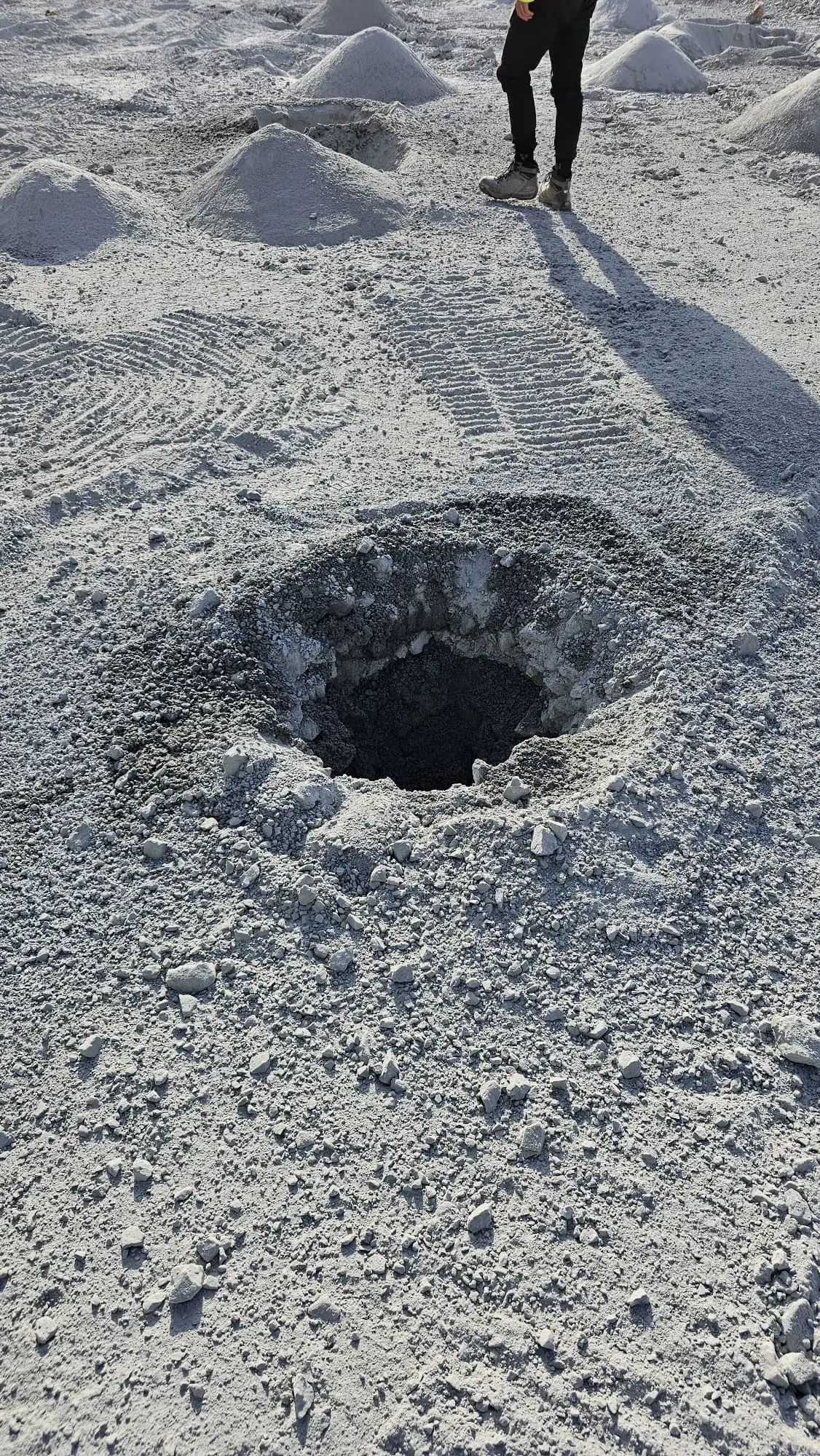
Establishing a stable collar before committing to full drilling parameters is essential for maintaining straight holes, effective flushing, and efficient hammer operation.
Poor collar formation can cause:
- Hole deviation
- Reduced flushing efficiency
- Excessive vibration
- Increased risk of the string getting stuck in the hole
- Unnecessary wear on drilling tools
Taking additional time to stabilise the collar at the start of the hole often improves productivity across the entire drilling cycle.
Avoid Over-Drilling
Over-drilling increases wear on consumables and can negatively affect downstream blasting performance. Excessive hole depth may result in overblasting and increased volumes of broken rock.
Drilling through heavily fragmented material also reduces drilling efficiency and accelerates wear on hammers and bits. Maintaining planned drilling depths helps optimise both drilling and blasting performance.
Measure Rebuild Components Correctly
Hammer rebuild kits are an effective way to restore performance, but only when reused components remain within specification. This applies across the full DTH range, from 4-inch DTH hammers right up to 10-15 inch large-diameter hammers used in production mining.
Critical wear components should always be measured accurately before being reused, using the wear limits and specifications provided by the manufacturer. Running components outside specified tolerances can:
- Reduce hammer efficiency
- Increase air leakage
- Lower impact energy
- Accelerate wear throughout the system
Precision matters when rebuilding high-performance drilling equipment.
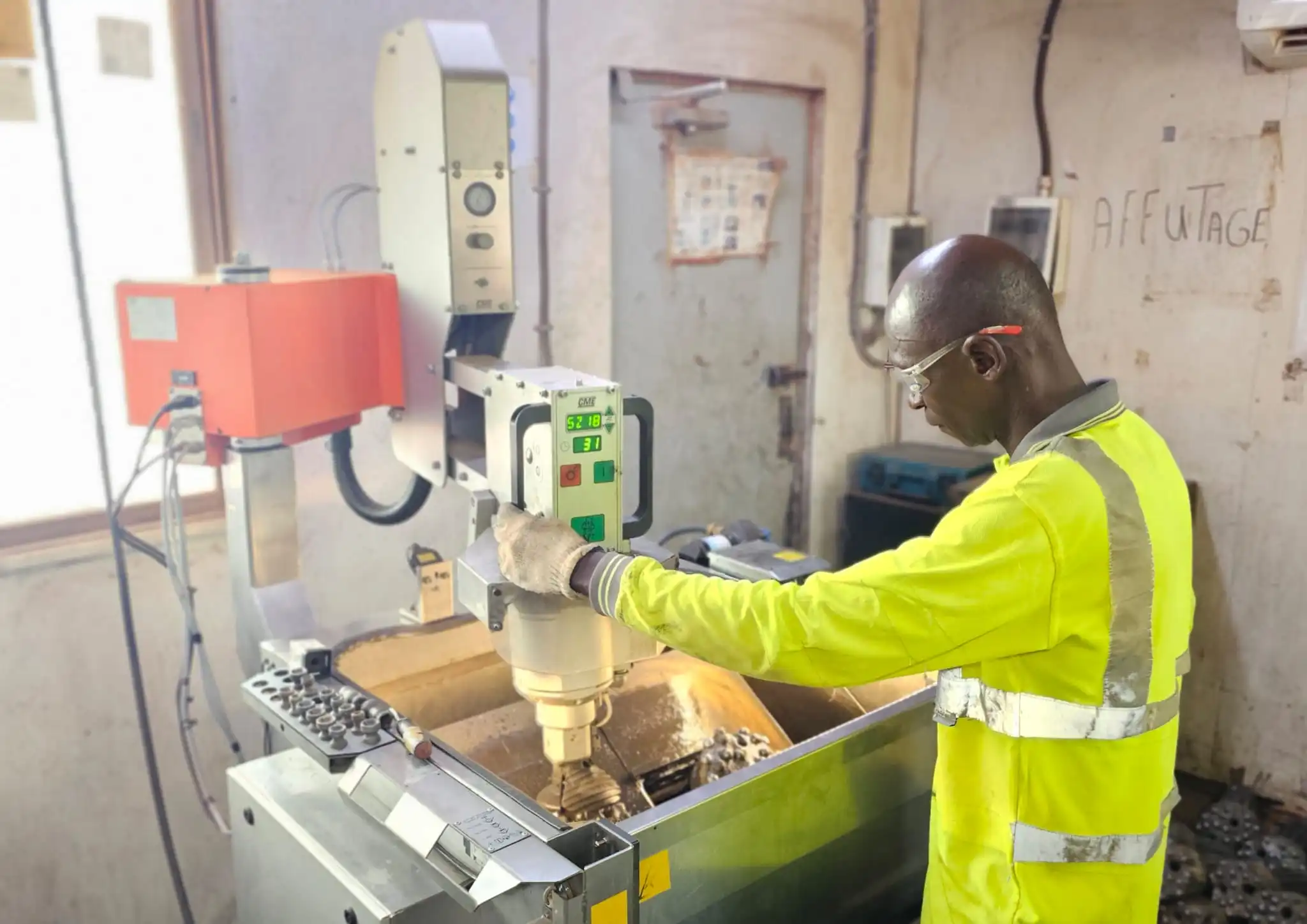
Sharpen Drill Bits Before Performance Drops
Running worn carbide inserts for too long reduces drilling efficiency significantly. Overrun carbides increase rotational resistance, raise torque loads on the drill string, and reduce penetration efficiency. Excessive wear also raises the risk of insert breakage and catastrophic bit failure.
A proactive sharpening schedule improves drilling consistency and reduces unnecessary stress throughout the drill string. For a full breakdown of carbide wear patterns, sharpening intervals, and rotation guidance, see our companion guide on extending drill bit life in blast-hole drilling. Disciplined maintenance delivers measurable productivity gains.
Adapt to Changing Ground Conditions
Rock hardness, fragmentation, moisture levels, and formation stability can vary significantly even within the same drilling program. Operators should continuously monitor drilling performance and adjust parameters as required.
The most productive drilling operations do not set and forget their drilling parameters. They adapt continuously to maximise efficiency and minimise wear. Newer platforms like Mincon’s MP75-MC DTH hammer and the Hybrid Impact Technology developed with Epiroc are also giving mine operators new tools for adapting to demanding ground conditions while cutting fuel use and total drilling costs.
Small operational improvements can create substantial gains across an entire fleet. Each of the steps above can combine to deliver meaningful improvements in efficiency, performance, and cost savings. Mincon supports operations worldwide with drilling expertise, tailored drilling packages, and on-site technical support designed to improve penetration rates, reduce wear, and maximise total drilling efficiency.